Health
New to Denials and Utilization Paperwork? The Records That Stay Useful, and For How Long
A first-time look at the billing and utilization records a hospital or practice actually needs later, which ones expire quietly, and the filing habits that keep them findable.
Lucinda Fairbairn|
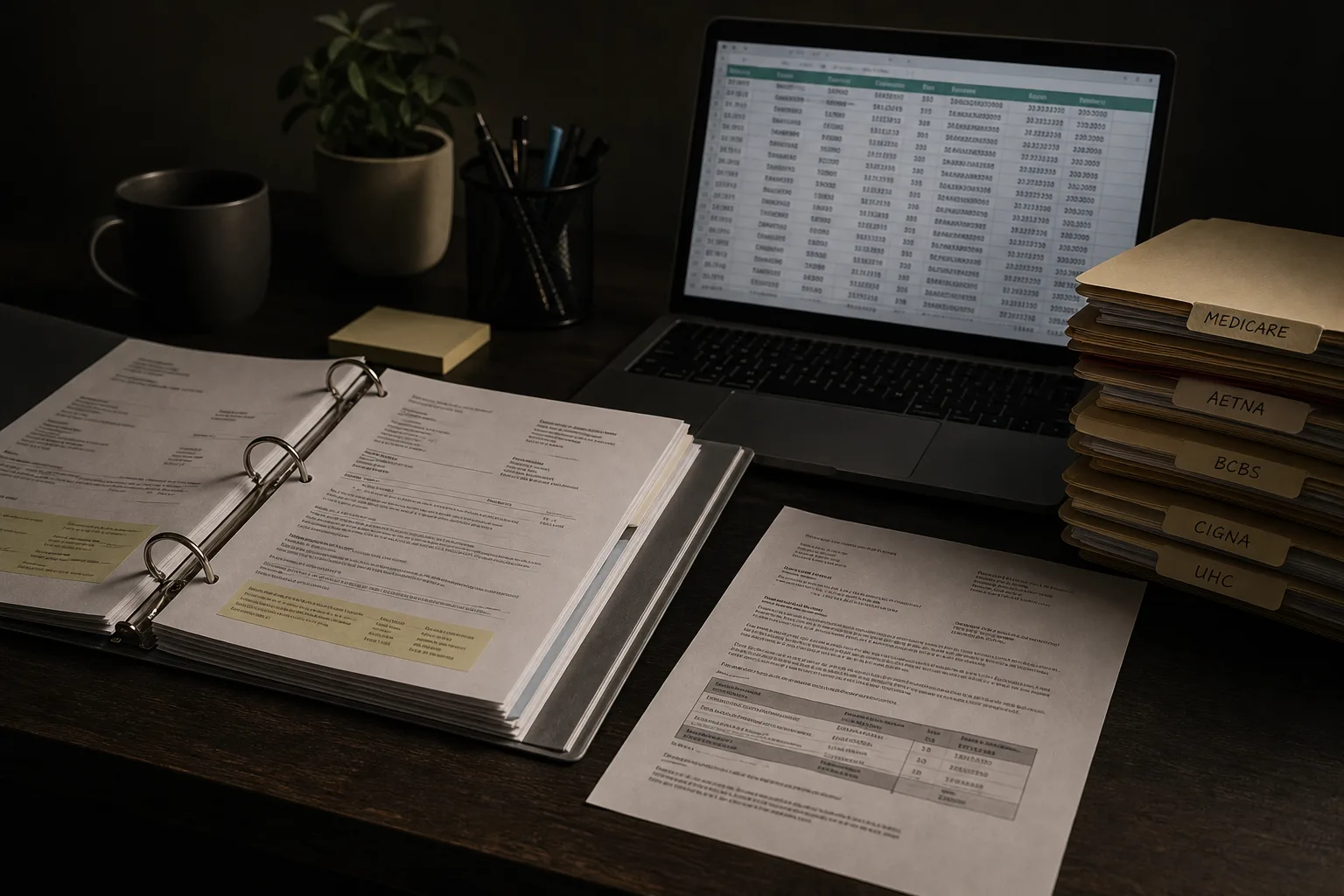
The first denial letter you handle yourself is rarely the one that teaches you anything. The lesson arrives four months later, when a payer asks for the documentation that supported an inpatient admission and the only thing anybody can find is the claim, the remittance advice, and a vague memory that someone spoke to someone. Records in billing and utilization work are not an archive you build for its own sake. They are the raw material of every appeal, every audit response, and every contract renegotiation you will sit through, and they are only as good as your ability to produce them on the day somebody asks.
Three kinds of paper that behave nothing alike
It helps to stop thinking about "records" as one category, because the three kinds you handle every week have different lifespans and different readers. Clinical documentation, meaning the physician's note, the order, the progress notes supporting level of care, belongs to the medical record and is governed by state retention law and your own health system's policy. Payer correspondence, meaning the denial letter, the request for additional information, the appeal determination, belongs to you and nobody else keeps a complete copy on your behalf. Internal review notes, meaning the utilization review worksheet or the secondary review rationale, sit somewhere in between and are the ones new administrators most often fail to keep at all.
The distinction matters because the second and third categories are the ones that disappear. A medical record has a custodian, a system of record, and a retention schedule someone else wrote. A fax confirmation showing you submitted a peer-to-peer request inside the payer's window has none of that, and it is frequently the single document that decides an appeal. When a new hire asks what to keep, the honest answer is that the clinical chart mostly takes care of itself while the correspondence trail takes care of nothing, and the correspondence trail is where disputes are won.
How long each one actually stays useful
Retention periods and usefulness are two separate clocks, and confusing them leads people to keep everything forever while still missing the document they need. Appeal windows are short, often measured in weeks from the date on the denial, so the denial letter is most valuable in its first month and effectively inert after the final determination. Audit lookback periods run much longer, which means the documentation supporting a claim can be requested well after the account has closed and the revenue has been recognized. The Centers for Medicare & Medicaid Services oversees the coverage and payment rules behind much of this, and the practical consequence for a first-year administrator is that a paid claim is not a finished claim.
Contract records sit on the longest clock of all. The payer agreement, the fee schedule attachments, the amendment letters, the notices of policy change: these define what you were owed on a date of service years back, and reconstructing them later from memory is not possible. Keep the dated versions rather than only the current one, because a dispute about a 2022 date of service is settled by the 2022 terms. The same logic applies to internal policy: the criteria set your reviewers were using at the time, in the version they were using, explains a decision far better than the current edition does.
The tools that make this manageable rather than heroic
Almost every first-year system fails in the same two ways: documents live in individual inboxes, and filenames describe nothing. Both are fixable in an afternoon. A single shared folder structure organized by account number, with a naming convention that leads with the date in year-month-day order and then the document type, turns a search that took twenty minutes into one that takes twenty seconds. If your revenue cycle system has a document imaging module or a denial work queue with attachment capability, that beats a shared drive, because it keeps the paperwork attached to the account rather than adjacent to it. Either way, one place, one naming rule.
The second tool is a log, and it can be a spreadsheet. One row per disputed account, with columns for the date the denial was received, the reason code, the deadline that follows from it, who is working it, what was submitted and when, and the outcome. That log is the thing that catches the account nobody picked up, and it is also, over a year, the only source you will have for patterns: which payer denies which service, which reason codes overturn on appeal, which physicians need a conversation about documentation. Nothing in the clinical system produces that view for you.
The third is a calendar discipline about deadlines, kept separately from the log. Deadlines set by someone else are the ones that end the argument, so they belong somewhere with an alarm attached rather than in a column you scan when you remember to.
Who reads your files later, and what they need from them
The audience for these records is almost never you. It is an appeals nurse assembling a packet, an external auditor sampling accounts, a coding compliance reviewer, or a clinician being asked to defend a status determination months after the patient went home. When the utilization review notes, the criteria applied, and the correspondence trail are all filed against the account, a case can be handed to a physician advisor and come back with a usable determination the same day instead of turning into a week of reconstruction. That is the entire practical return on a filing convention, and it compounds with every account.
It also changes what you keep. If the reader is going to be a clinician, the rationale matters more than the checkbox, so a two-line note explaining why the admission met criteria is worth more later than the criteria screenshot alone. If the reader is going to be an auditor, the dated submission proof matters more than the narrative. Keeping both takes very little extra effort at the moment the work is being done, and no amount of effort afterward.
Set the folder structure and the log up before you need them, in a quiet week rather than during an audit notice, and the first genuinely contested account becomes an hour of work rather than a fortnight of archaeology. The habit is small. What it protects is not.