Law & Legal
Arrested on a Saturday Night? What to Have Ready Before You Sit Down With a Lawyer
A first-offense DUI stop now generates evidence on a deletion clock, which changes what you bring to the first meeting and how fast you have to book it.
Theodore Kranz|
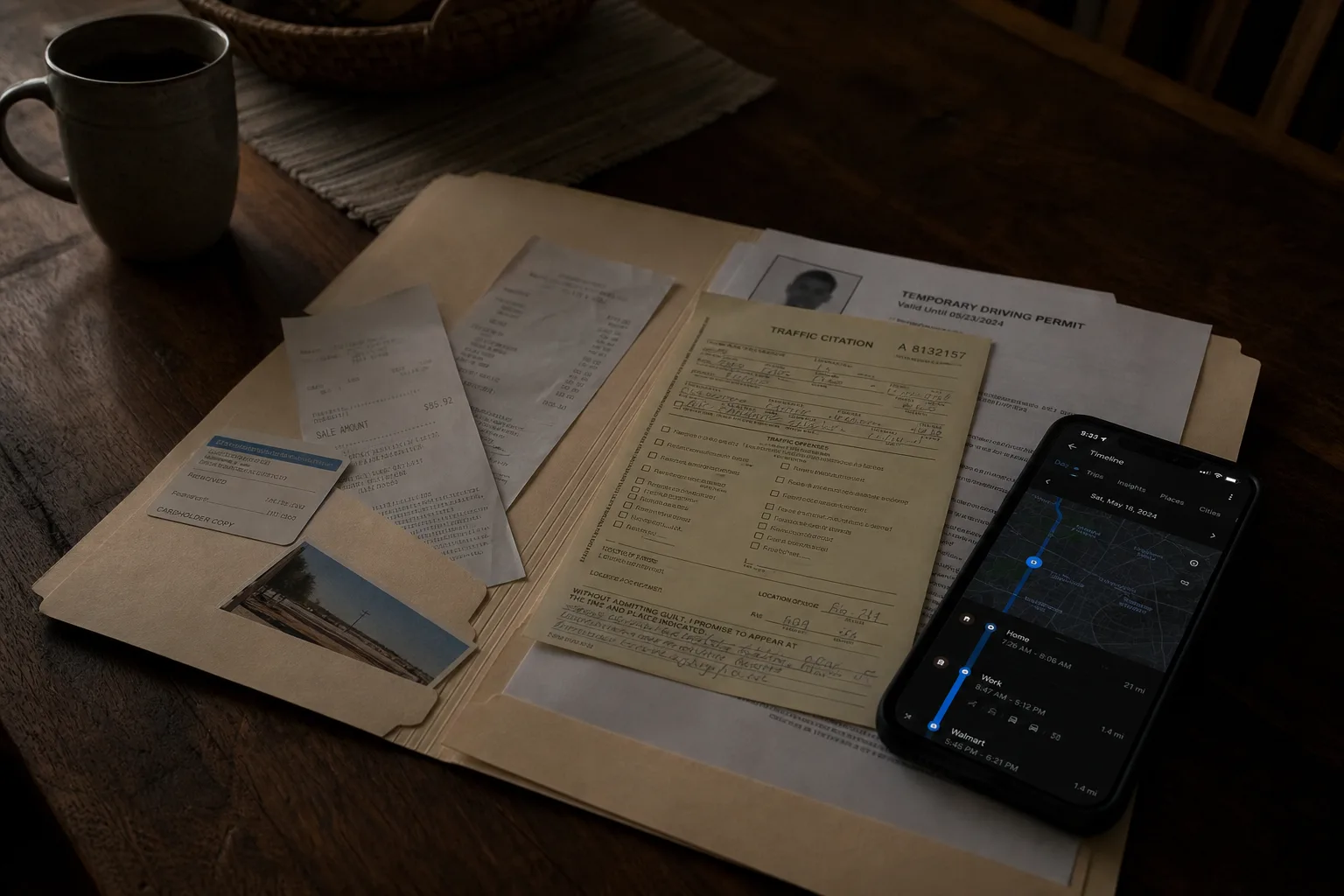
Consider one narrow case, because the general advice about legal consultations falls apart the moment a deadline enters the picture. A driver in his thirties is stopped a little after midnight on a Saturday, leaving a restaurant where he had three drinks across a long dinner. He performs field sobriety tests on a sloped shoulder, blows into a handheld device, is taken to the station, and blows again on the evidential machine. The reading comes back just over the legal limit. He is released before dawn with a citation, a temporary paper license, and a court date several weeks out. He goes home and sleeps.
That sleep is the expensive part. Not the arrest, not the reading, but the two or three days he spends deciding whether this is serious enough to pay someone about. Ten years ago those days cost him very little, because the first real event in the case was the arraignment and almost nothing could be done before it. Now the clock that matters most has usually already started, runs in days rather than weeks, and belongs to the state motor vehicle agency rather than the court.
The deadline that is not printed on the citation
Most states run an administrative license suspension alongside the criminal case, and the window to demand a hearing on it is counted in days from the date of arrest. The exact number varies by state, and the notice telling you about it is frequently the small type on the back of the temporary permit rather than anything a deputy says out loud. Miss it and the suspension takes effect on schedule no matter how the criminal charge later resolves. That single structural fact reorders the whole preparation problem: the first meeting is no longer an orientation, it is a filing decision.
A decade ago the practical advice was to bring the citation and talk it through. The paperwork was thin, discovery arrived by mail in a manila envelope eight weeks later, and there was genuinely nothing to preserve in the interim. Today a first consultation that does not establish, within the hour, which deadline is nearest and who is responsible for meeting it has not delivered the thing you came for. That is the question to lead with, and the answer should be a date, spoken aloud, not a reassurance that it will be handled.
What is now on a deletion schedule
The second change is that the evidence in a routine impaired driving stop is overwhelmingly digital, and digital evidence expires. Body-worn camera footage, in-car video, station booking video, and the audio from the dispatch channel all sit on retention schedules set by the agency, and footage not flagged as evidence in a pending matter can roll off. The same is true in your own hands. Your phone holds the location history, the step count, the ride-hail app you opened and closed, the card receipt with a timestamp that shows how long the meal actually ran. Newer vehicles hold event data the manufacturer will not keep indefinitely.
So the preparation that used to be a conversation is now largely a collection task, and it has to happen before the first meeting rather than after it. Screenshot the receipts instead of trusting the app to keep them. Export the location timeline. Photograph the shoulder where the tests were performed, in daylight, including the slope and the gravel, because the roadside is the one piece of evidence nobody else is preserving. Write down what you ate and when, in the order it happened, while the evening is still recoverable in memory rather than reconstructed from what you have been told since.
The folder, and the order it gets used
Put the citation and the temporary permit on top, because they carry the dates. Behind that, the bail paperwork and any property receipt, which together establish the timeline of the night. Then the test results if you were given a printout, then your driving record if your state lets you pull it online, then the receipts and the location export. Last, a single page listing what you do for a living, whether you drive for work, whether a professional license or a security clearance or an immigration status sits behind the outcome, and what your insurance renewal date is. That last page changes strategy more often than the breath reading does.
Choosing whom to sit down with is its own narrow exercise, and the useful filter is how much of the practice is spent in front of the specific motor vehicle agency and the specific courthouse named on your citation, which is why lawyers and firms describing themselves as dui attorneys are worth asking directly about the hearing request, the local prosecutor's diversion posture, and the ignition interlock rules as they are actually applied in that county. Impaired driving countermeasures and the standardized roadside test battery fall under the National Highway Traffic Safety Administration, which means the procedures the officer followed are documented, published, and checkable against the report.
Judging whether the hour worked
You should leave with four things written down: the nearest deadline and its date, who files what, the preservation letters going out and to which agencies, and the realistic range of outcomes given your record and your job. If the conversation stayed general, ask the narrow questions before you pay for a second hour. What is the retention period on body camera footage in this jurisdiction. Has the hearing been requested yet. What happens to my license on the fourteenth day if nothing is filed.
The older version of this process rewarded patience, because nothing moved until the court moved. The current version rewards the driver who spends Sunday afternoon gathering screenshots and Monday morning on the phone, and it rewards him considerably.