Money
One Ring on Your Hand, Twenty Pieces in a Shoebox. What the Season Does to the Answer
Jewelry repair prices and turnaround swing with the calendar, and the answer for a single ring is not the answer for a whole box of inherited pieces.
Rafael Quintanilla|
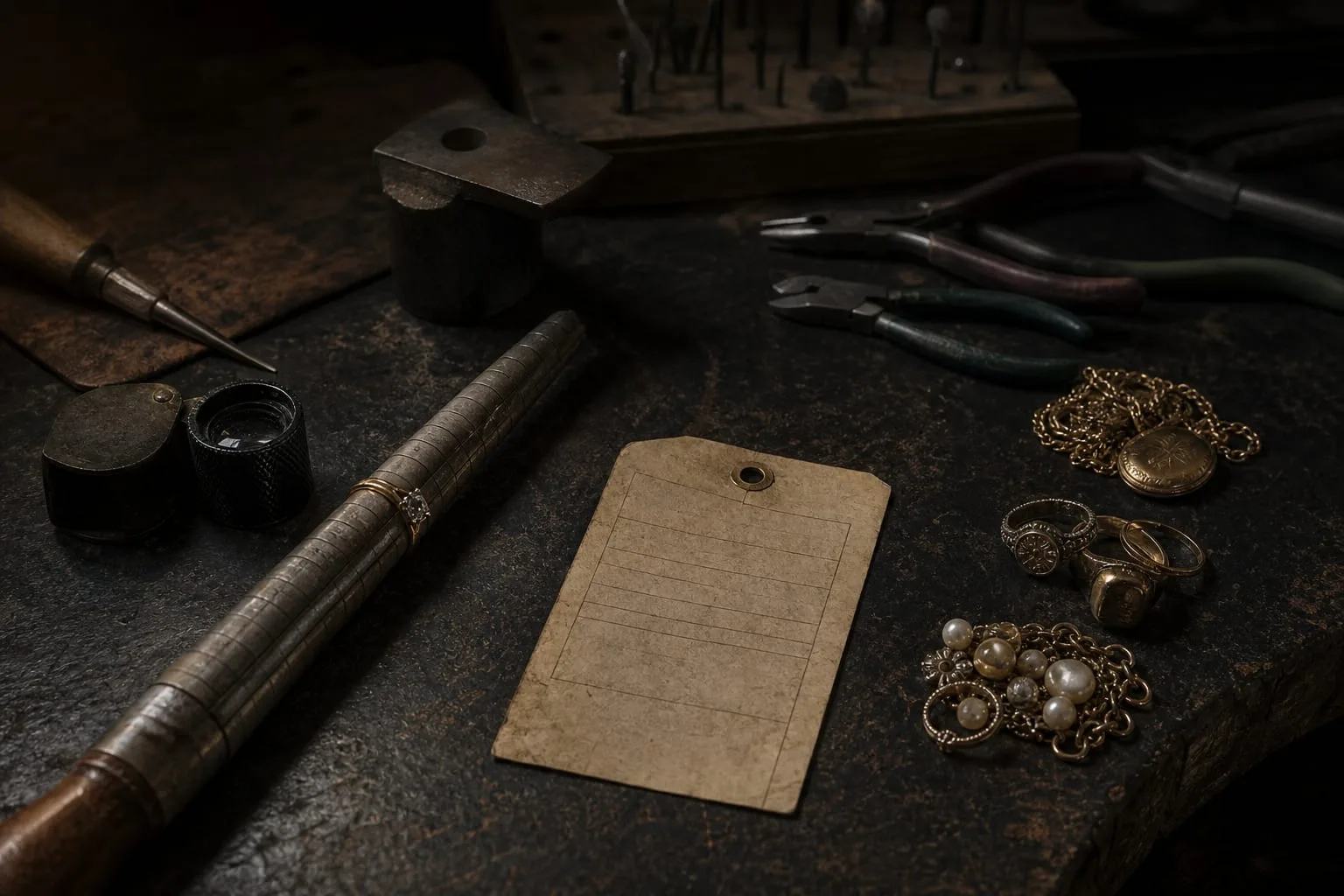
The ring sits in a drawer for eleven months and then becomes urgent in the second week of December, which is precisely the week every bench in the country is closed to new work that has to be back before the holiday. That timing is not bad luck, it is the shape of the trade, and it decides both what you pay and who actually touches the piece. A single sizing in October and the same sizing in December are different transactions with different people doing them. Understanding the calendar before you hand anything across a counter is most of the work.
The queue is a real thing, and it has two peaks
Independent bench jewelers and the trade shops that serve retail counters run heaviest from roughly Thanksgiving through the first week of January, then again from March into June as spring and summer weddings force sizings, prong retips and last-minute mounting checks. Between those peaks, in late January and again in August, the same bench that quoted you three weeks quotes you four days. Nothing about the work changed. What changed is whether your ring is one of six on the bench or one of sixty, and whether the person doing it is the shop owner or the seasonal help hired to keep the counter moving.
The practical consequence is that urgency is the most expensive thing you can bring to a jeweler. Rush fees exist, but the bigger cost is invisible: a soldered shank done under queue pressure gets less finishing time, and a stone tightened in a hurry gets checked once instead of twice. If the piece has any real value, sentimental or otherwise, the cheapest version of the decision is to bring it in when the shop is quiet and let the work sit in normal rotation.
Who is standing between you and the bench
Most people hand jewelry to someone who will not repair it. Mall chains and many independent retailers send repairs out to a regional trade shop, which means your ring travels, sits in a batch, and comes back through the same counter with a markup layered on the trade shop's price. That arrangement is not dishonest and it is often fine for routine work, but it changes three things you care about: turnaround, who you can ask questions of, and what happens if a stone goes missing. The counter clerk taking your intake form has no view into any of it.
A shop with a bench on the premises gives you a different customer experience entirely. You can ask to see the piece under the loupe before you leave, get a verbal read on what is worn and what is merely dirty, and hear which of the four things on the estimate genuinely needs doing this year. Ask directly whether the work is done in house or sent out, and ask what the intake ticket says about stone condition, because a written note that a side stone was already chipped protects both of you. Good shops volunteer this. It costs them nothing and saves a dispute.
Where the threshold sits between one piece and a lot
One ring is a quote. Twenty pieces from a relative's estate is an assessment, and treating it as twenty quotes is how people spend two thousand dollars restoring costume jewelry. Somewhere between three and five pieces the sensible approach flips: instead of asking what each repair costs, you pay for an hour of a jeweler's time to sort the box into three piles. Worth fixing now, worth fixing only if you will actually wear it, and worth nothing but the gold weight. That hour is the single highest-return payment in this entire category, and most benches will do it if you ask plainly and book it in the slow season.
The sorting also uncovers batch efficiencies that no single-item quote reveals. Six chains needing clasps get done in one sitting at a fraction of six separate visits, and a dozen pieces going into an ultrasonic and polish cycle together cost far less per piece than one. Conversely, twenty pieces arriving in December get quoted defensively high, because the shop is protecting its queue. Bring the box in February.
The appraiser is a separate person with a separate job
Repair and valuation are different trades, and the jeweler who solders your shank is not automatically qualified to write the document your insurer will accept. Insurance appraisals for scheduled personal property are usually written by a credentialed gemologist appraiser, and they carry a date, a stated purpose, and a description precise enough to identify the piece again. The Federal Trade Commission oversees how jewelry and precious metals are described in commerce, which is why careful appraisers are exacting about wording like natural, lab-grown, treated and plated. Vague language on an old appraisal is the most common reason a claim gets argued.
This matters to the repair decision because value determines what is worth fixing. A piece scheduled on your homeowners policy at a real number justifies a proper restoration by a bench that documents its work; a piece worth its metal does not. Getting the appraisal first, in a quiet month, means the repair conversation starts from a number instead of a guess. And appraisers, like benches, have seasons: they are booked solid alongside the holiday rush and available in late winter.
Bring one piece when it needs attention and the calendar barely matters. Bring the box, and the month you choose is worth more than any discount you could negotiate.