Corporate
Three Thousand Candles in Someone Else's Building, and the Four Fees That Decide the Margin
A single seasonal SKU moving through a third-party warehouse shows where the money actually goes: receiving, storage minimums, cartonization and the exit clause.
Theodore Kranz|
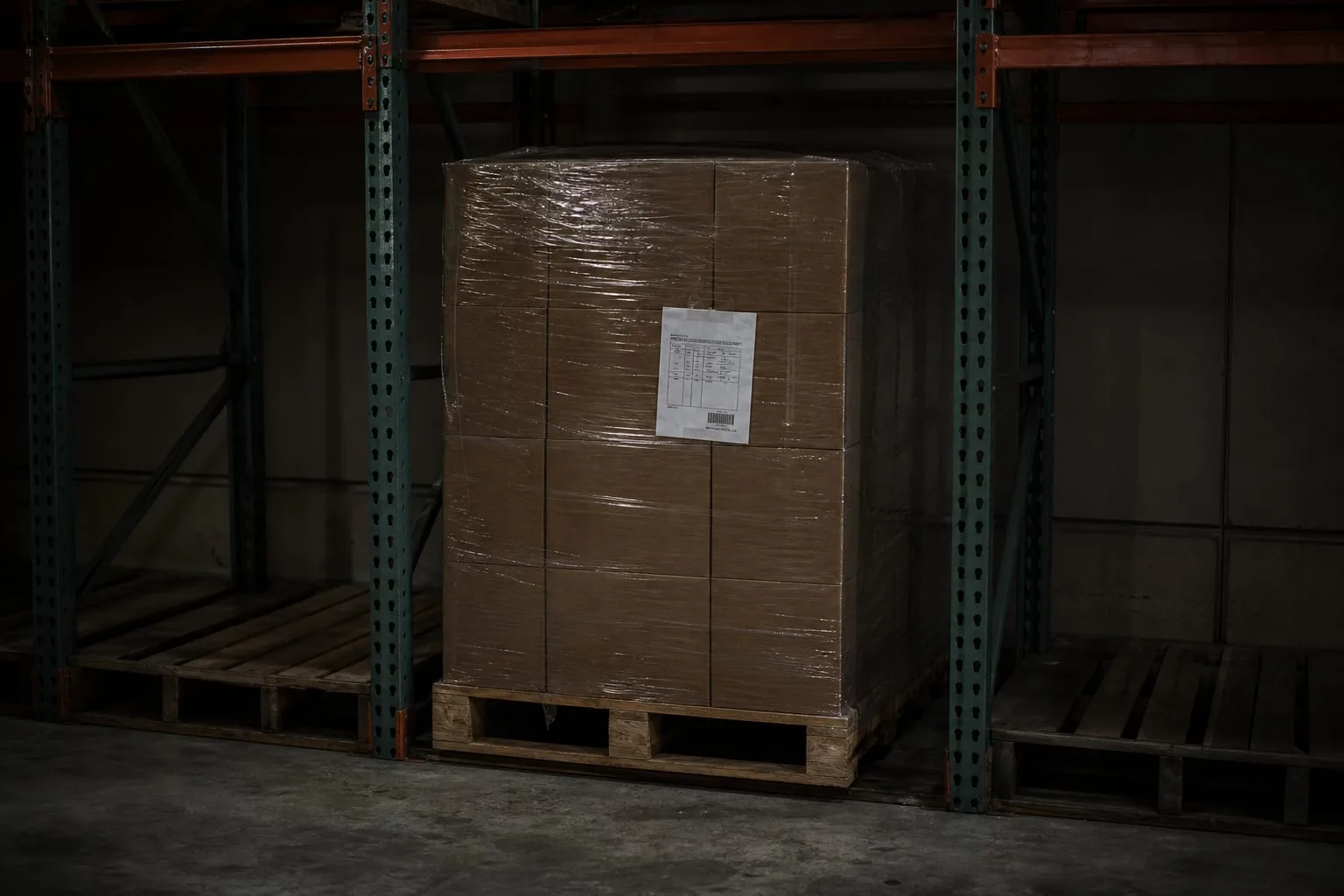
Take one product and follow it all the way through: three thousand glass candles, twelve to a master carton, made in October, sold mostly between the middle of November and Christmas Eve. The brand owner does not own a building, does not want one, and has signed with a third-party logistics provider forty minutes away. The rate sheet ran to two pages and looked cheap. The first invoice arrived at roughly double what she had modeled, and every dollar of the difference was disclosed somewhere in those two pages. What follows is where it hid, and what the same product would have cost handled out of a self-storage unit instead.
The receiving fee is quoted per pallet and billed per carton
Almost every warehouse agreement prices inbound work two ways. A clean pallet, shrink-wrapped, single SKU, with an advance shipping notice that matches what is actually on it, gets the low per-pallet rate. Anything the crew has to touch individually gets the per-carton rate, and mixed or unlabeled cartons get a handling charge on top. The candles arrived as two hundred fifty loose cartons on a freight consignment because the manufacturer palletized to fill space rather than to match the 3PL's intake rules. That one decision, made by someone who had never read the warehouse contract, converted a two-pallet receiving charge into two hundred fifty separate ones.
The fix is mechanical and it belongs in the purchase order, not in an email after the fact. Specify pallet height, single SKU per pallet where volume allows, carton labels with the SKU and unit count in the format the warehouse's receiving system reads, and an advance notice sent before the truck leaves. Most providers will send a one-page inbound routing guide if asked, and most manufacturers will follow it when it appears in writing alongside the order. The saving on a single inbound shipment of this size usually exceeds the cost of the extra pallets and wrap by a wide margin.
Storage is rented by the position, not by the space you occupy
Warehouses bill space in pallet positions or bin locations, and a position is charged whole whether it holds forty cartons or four. That distinction does nothing in November, when the racks are full and everything is moving. It does a great deal in February, when nine hundred unsold candles are spread across four positions that could hold them in one. The invoice does not fall as inventory falls; it falls when someone consolidates the remainder and releases the empty positions, which is a task the warehouse will do on request and will not do on its own initiative.
Two other clauses in the same paragraph of the contract deserve a second read. There is usually a monthly minimum, a floor that applies whether you store one pallet or twenty, and it is the number that governs the quiet months rather than the busy ones. There is often a long-term storage surcharge that starts at six months or a year on the same unit, which is the clause seasonal goods are built to trip. Both are manageable once you know they exist: a January consolidation, a clearance price set before the surcharge date, and a deliberate decision about how much unsold stock is worth keeping until next season.
Whoever chooses the box chooses your postage
Parcel carriers bill on dimensional weight, meaning the greater of actual weight and a volume calculation, so an eleven-ounce candle in a box sized for three of them ships at the price of something much heavier. The warehouse picks the box, not the brand, and it picks from whatever carton range is loaded in its system. If nobody has told the operation that a single candle fits a specific small mailer with a molded insert, the software will default to a larger carton, fill the void with paper, and add a dollar or two of postage to every order. Over four thousand holiday shipments that is not a rounding error.
The correction is a cartonization review, and it takes one meeting. You supply the exact outer dimensions of the packed unit for one, two, three and six candles, the warehouse loads those box types against those quantities, and the pick rules follow. While that conversation is open, ask how pick fees are structured, because the near-universal pattern is a higher charge for the first item in an order and a lower one for each additional item, which is exactly why a bundle of three priced as one line performs better than three separate line items. Product bundling is a fulfillment decision as much as a merchandising one.
The self-storage version, priced honestly
A climate-controlled unit and a home printer beat a 3PL on paper for low volumes, and the comparison turns on labor rather than rent. Under roughly a few dozen orders a day the arithmetic often favors doing it yourself, particularly for a seasonal business where twelve months of warehouse minimums buy six weeks of actual need. Above that, the pick and pack hours become a job, and the carrier rates a small shipper can negotiate rarely match the blended rates a 3PL applies across all its clients. There is also the matter of what a storage lease permits: many prohibit operating a business from the unit, and most exclude commercial inventory from the insurance offered at the counter.
The insurance point is the one that bites under a single specific condition. Wax and glass survive most things, but a unit that loses climate control in a July heat wave can turn three thousand candles into three thousand unsellable ones, and the facility's limited liability language will not make that good. A warehouse contract usually caps liability too, often at a low per-pound figure, which is why brands with real inventory value carry a separate cargo or stock-throughput policy. It costs a fraction of the goods it covers and it is the difference between a bad week and a lost year.
The clause that governs the day you leave
Exit terms are written when nobody is thinking about leaving, and they decide how expensive the eventual switch becomes. Look for the notice period, the per-carton or per-pallet outbound handling fee on a bulk removal, any charge for palletizing goods that arrived loose, and whether inventory can be released before the final invoice clears. Look also for the shipping representations you are making to customers, since the Federal Trade Commission oversees how sellers state delivery timing, and a transition handled without a cutover date is where those promises break. A dated changeover plan, agreed with both providers, keeps the orders flowing while the racks empty.
None of this requires owning a building or hiring a logistics manager. It requires reading the rate sheet as an operating manual rather than a price list, then changing four upstream decisions: how the factory palletizes, when the remainder gets consolidated, which box holds one candle, and what the insurance actually covers.