Law & Legal
When Does a Problem Actually Need an Attorney, and When Does a Letter Finish It?
The need for a lawyer tracks deadlines, court rules and recorded documents far more closely than it tracks the dollar amount or how angry you are.
Lucinda Fairbairn|
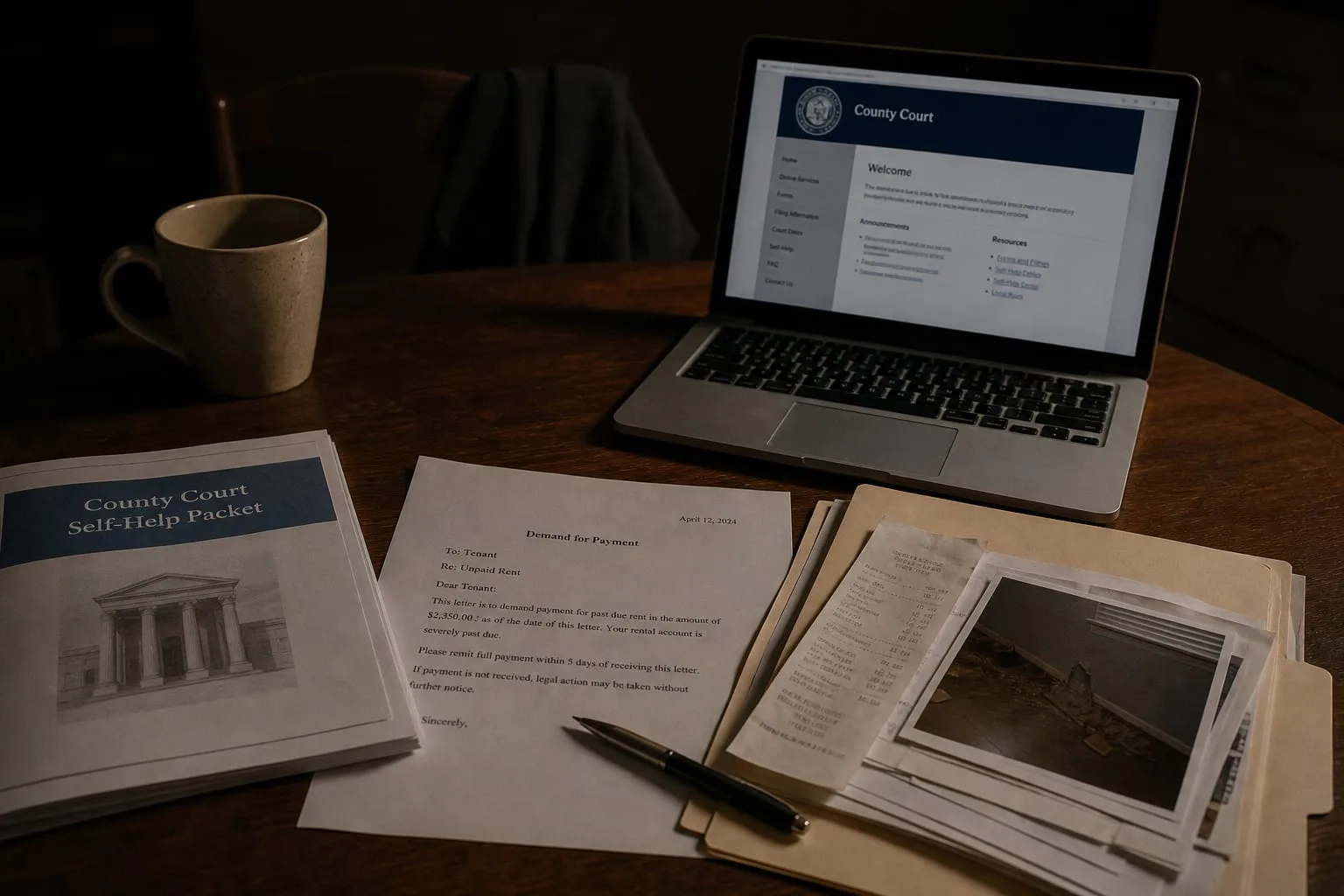
The usual assumption is that the need for a lawyer rises with the size of the number in dispute, or with how badly the other side behaved. That is not how it works in practice. What actually decides the question is procedural: whether a deadline is running, whether the forum you would use permits or bars representation, whether the outcome gets written into a public record you will live with for years, and whether anyone other than a court has authority over the person who wronged you. Those four things vary by state, and several of them vary by county.
1. Compare the amount against your state's small claims ceiling, not against your own sense of scale
Every state runs a small claims division with a dollar limit above which you cannot file there, and those limits are set independently, so a dispute that is routine small claims work in one state is a full civil filing next door. The limits also shift, usually upward, when a legislature gets around to it. More surprising to most people: several states bar attorneys from appearing for a party in small claims at all, which turns hiring one into a decision about whether to give up the cheap forum entirely. Your county court's own website publishes the current ceiling, and it is the first number to look up.
2. Find out what deadline is already running before you decide anything else
Statutes of limitations are state law, and they differ both by state and by the kind of claim, so a construction defect, a written contract, an oral agreement and a personal injury can each carry a different clock in the same jurisdiction. The short ones catch people out. Claims against a city, county or transit agency often require a formal notice within a matter of months, long before any lawsuit would be filed, and missing that notice ends the matter regardless of merit. If you cannot establish the deadline from a plain reading of the statute, that uncertainty alone is worth one paid hour of an attorney's time.
3. Ask whether the result will be recorded anywhere permanent
This is the line Lucinda would draw between a problem you settle and a problem you own afterward. Anything that touches the land records, a deed correction, an easement, a boundary agreement, a mechanic's lien release, a satisfaction of judgment, becomes a document that every future buyer, lender and title examiner reads. Some states require an attorney to handle a real estate closing; others let title and escrow companies do the work, and the same transaction therefore costs and behaves differently across a state line. When the outcome gets recorded, pay for the drafting. Fixing a bad instrument later means a quiet title action, which is not cheap.
4. Look at who is on the other side, and who else has authority over them
A neighbor, a small contractor and a national insurer are three entirely different opponents, and only one of them has counsel on retainer. A letter that lands well with the first two lands nowhere with the third. Before you retain anyone, check who already regulates the other party: the state contractor licensing board, the insurance department, the real estate commission, the state attorney general's consumer division. The Federal Trade Commission is responsible for consumer protection enforcement at the national level, and state and local counterparts often have complaint processes that produce results a private letter cannot, at no cost to you.
5. Decide whether you need a one-time outcome or a document that keeps working
Getting a refund, a repair or a security deposit back is a single event, and once the money moves the matter is closed. A lease, an operating agreement, a settlement release, a promissory note or a parenting plan is different: it goes on governing behavior for years, and every ambiguity in it becomes an argument you have again later. That continuing quality, not the dollar figure, is the reliable signal. Language in local rules also intrudes here, since some states impose mandatory lease terms or notice periods that override whatever the parties wrote, and the drafting has to account for them.
Where the two answers meet
Most household disputes resolve on a dated letter, a photograph set, and a copy sent to a regulator, and that is genuinely the right tool for them. The narrow band that needs counsel is identifiable in advance: short deadlines, recorded instruments, an opponent with in-house lawyers, and documents that will still be in force in five years. Sorting a problem into one bucket or the other takes an afternoon of reading your own state's rules, and it is the cheapest hour in the whole matter.
Keep the local numbers where you can find them: the small claims limit for your county, the notice period for claims against your municipality, and whether your state runs attorney closings. Those three facts answer most of the question before anyone bills you.